Thursday, September 3, 2015

From Cartoons to Charts, Learn About PrEP for HIV Prevention


August 27, 2015
As more people consider pre-exposure prophylaxis (PrEP) for HIV prevention, the options for expanding their knowledge of PrEP are, well, expanding.

In July 2015, the Obama Administration cited PrEP as a top priority in its update to the National HIV/AIDS Strategy. Just weeks later, AIDS Healthcare Foundation, which opposed the FDA approval of PrEP two years ago and has campaigned against its use as a public health intervention, issued a statement laying out "principles" for PrEP usage.

So what resources are out there to assist individuals and providers in making decisions about PrEP? Here's a quick look at a handful of the many options for PrEP information and support.

PrEP and HIV Prevention: A Quick Primer on a Hot Topic

PrEP and HIV Prevention: A Quick Primer on a Hot Topic

This handy, short video from your pals at TheBody.com gives the basics about PrEP, and also covers how people who take HIV treatment for themselves are a force of HIV prevention -- all in a minute and a half!

PrEP and HIV Prevention: A Quick Primer on a Hot Topic

A Video in English and Spanish: What Is PrEP?

To get a little more in-depth, turn to WhatisPrEP.org for a five-minute video that explains how PrEP works. Although this video came out a year ago, the basic information remains solid -- and you can click on the page to swap into the Spanish language version.

Getting Yourself Prepared for PrEP

Getting Yourself Prepared for PrEP: An Insurance and Access Flowchart from Project Inform

From the longtime community-knowledge bank on HIV prevention comes a comprehensive chart making the confusing hurdles to PrEP access -- including insurance, public programs and assistance programs -- easier to navigate.

My PrEP Experience

My PrEP Experience: Stories from Real PrEP Users

This early and ongoing PrEP site features stories from PrEP users themselves, plus helpful information on PrEP for users, people who are considering using it and providers. New contributors are welcome!

PrEP Facts

PrEP Facts: Rethinking HIV Prevention and Sex

Nearly 9,000 people had joined this Facebook group by the summer of 2015. Its fast-moving discussions, debates, questions and answers seek to promote fact-based information, understanding, respect and compassion.

The HIV Prevention Pill: Facts, Fiction and How to Get It

What happens when activists and educators Damon Jacobs and Nelson Vergel do a video hangout about the use of Truvada (tenofovir/FTC) for PrEP? In just an hour they cover the landscape of research facts and misconceptions, and also how to access the highly effective prevention tool. Drop in and see for yourself! (Or watch the video below.)


For more PrEP stories and information, check out TheBody.com's PrEP page.
Julie "JD" Davids is the managing editor for TheBody.com and TheBodyPRO.com.
Follow JD on Twitter: @JDAtTheBody.

Copyright © 2015 Remedy Health Media, LLC. All rights reserved.

More articles can be found here: http://www.thebody.com

A History of the Red Ribbon


July 31, 2015
A History of the Red Ribbon
By the late 1980s, AIDS had been in the United States for almost a decade. AIDS became the number one killer of young men in New York City, then of young men in the country, then of young men and women in the country.

Despite the gravity of the AIDS crisis, in the late 1980s there was little public acknowledgement of AIDS. A group of artists in Manhattan decided to change that.

New York artist Patrick O'Connel would spend days visiting friends in the hospital, going to funerals, and coming home to a panicked answering machine message from friends who just learned they were sick. O'Connel and other artists banded together and started making art in response to AIDS. In 1988 they began calling their collective Visual AIDS.

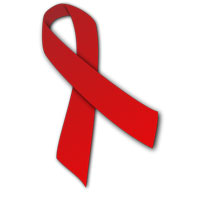
Visual AIDS held public events and organized gallery shows to raise AIDS awareness. But of all the work the group did, they made their biggest impact with a simple little symbol. A little concept that, at the time, was very novel: The AIDS awareness ribbon.

It all started one night in the spring of 1991. A costume designer named Marc Happel got invited to a meeting of the Visual AIDS artist caucus. Happel had heard about the group's search for a symbol, and he had an idea.

This was at the time of the Persian Gulf War. Marc had been taking trips driving around upstate New York, where he had seen yellow ribbons tied around trees, in honor of servicemen.

Marc Happel thought that Visual AIDS could do something similar, to acknowledge the war at home. But the tree didn't seem right. Marc thought that perhaps they could fold a ribbon and pin it on their lapels. The group decided that the ribbon ought to be red -- the color of blood.

A local ribbon supplier donated spools of red grosgrain ribbon, and Visual AIDS began cutting, folding, and pinning. The Visual AIDS Artist Caucus members held what they called "ribbon bees" -- like a quilting bee, where a bunch of people gathered to work.

The looped, inverted-V shape came after trying out numerous styles. Visual AIDS would hand-cut, fold, and pin thousands of ribbons, all just to hand out for free, attached to pamphlets.

At this point the red ribbons were essentially just an art project. But in mid-May of 1991, one of the Visual AIDS directors had a crazy idea: they should get their pins on stage at the Tony Awards.

A number of the artists had Broadway connections, but group only had two weeks to convince the organizers of the Tony Awards to embrace the ribbons. They coaxed celebrity dressers into pinning the ribbons on Broadway stars before the ceremony, and they got to work making new, bigger, flashier ribbons that the camera could capture.

On the night of the show -- June 7th, 1991 -- the Visual AIDS artists were watching with bated breath. They weren't sure if anyone would be wearing the ribbons.

The first award winner of the night, Daisey Eagan, star of The Secret Garden, wore a ribbon. Kevin Spacey wore a ribbon. Penn and Teller wore ribbons. By the end of the show, the celebrities not wearing ribbons stuck out.

But no one explained the ribbons on-air. Rumor had it that the network threatened to go to commercial break if anyone tried to talk about AIDS. Turns out, this degree of mystery provided some incredibly good press, and the next day, newspapers were buzzing about these mysterious red ribbons and what they meant.
Word got out about the ribbons. Soon they were worn at the Emmys, and then the Oscars and the Grammy Awards. The members of Visual AIDS continued to gather to make these ribbons, huddled together in Marc's loft, while they watched celebrities wear their creations on TV.

School groups and church groups started contacting Visual AIDS, asking how they could start their own ribbon project. It became a phenomenon.

By the end of 1992, the ribbons had become a fad. There were red ribbon diamond necklaces, red ribbon Christmas ornaments, red ribbon t-shirts, red ribbons on nearly every product imaginable.

Some members of Visual AIDS thought they should trademark the red ribbon, so that Visual AIDS would get money any time it was used. But Patrick O'Connel and Marc Happel believe that if they had, the symbol would not have been embraced so universally. The spirit of the project was that everyone had permission to use it.

The ribbon's creators felt a backlash from other AIDS advocates. At first, wearing the ribbon had felt like a radical act. But as the ribbon became more ubiquitous, some activists called wearing it an easy out. Critics said it was a way to look like you cared about people with AIDS, without actually doing anything to help them. Basically, the same criticisms that met the Livestrong bracelet and the ice bucket challenge.

But Marc Happel says that's okay:
What we wanted to do was create something that a mother in Michigan could wear on the lapel of her blouse, and you know maybe her son was living in New York and living with AIDS, and she wanted to do something. I think it was just, it was also a symbol that we created that, that somebody could wear, and somebody might go up to them and say, "What is that? Why are you wearing that red ribbon?" And hopefully that person would say, "Here's why".
The ribbon was doing its job. People were talking about AIDS. The New York Times declared 1992 "The Year of the Ribbon." President Clinton set up the White House Office of National AIDS Policy. The National Institute of Health expanded its AIDS research. The government funded the national HIV Epidemiology Study. Over time, the awareness ribbon had gotten so much attention for AIDS, that more than 200 other causes began using a looped awareness ribbon as their symbol.

Now, there are more causes that want ribbons than there are colors of ribbon. The teal ribbon, for instance, is used for ovarian cancer awareness, anti-bullying awareness, Tourette's syndrome awareness, and tsunami victim awareness.

The ribbon's ubiquity has reached the point of parody. When the band Death Cab for Cutie wore light blue ribbons at the 2009 Grammys, people wondered, were they boosting second-hand smoke awareness? Or adrenocortical carcinoma awareness? It turns out that Death Cab for Cutie had started their own cause: Auto-Tune abuse awareness.

Marc Happel actually thinks it's great that people took that simple little ribbon, made it their own, and used it for whatever cause they choose to fight for.

Still, that original red ribbon retains its relevance. Even if AIDS isn't the killer it used to be, the number of people living with HIV is the United States is now higher than ever before. The disease is still with us.
And so is its symbol.

Visit 99percentinvisible.org/episode/awareness for images and more info.
To read this article in its original form, you can go to Visual AIDS' blog.
To read more articles like this here: http://www.thebody.com

New Antiretrovirals, New Formulations, and New Strategies for HIV Treatment


As HIV pre-exposure prophylaxis (PrEP) and treatment as prevention grabbed the headlines at the 8th International AIDS Society Conference on HIV Pathogenesis, Treatment and Prevention in Vancouver, a session on “ART: New Drugs and New Strategies” did not fill the auditorium to capacity as similar sessions often have in the past.

Nevertheless, the session did provide some promising news about novel HIV drugs coming through the pipeline for people with HIV, a new version of an existing drug that improves safety without compromising effectiveness, and a potential new use for an existing medication.

HIV Maturation Inhibitor BMS-955176

Carey Hwang, MD, PhD

Carey Hwang, MD, PhD from Bristol-Myers Squibb gave a presentation about the company’s experimental HIV drug known as BMS-955176, showing that it suppresses viral load as effectively as commonly used antiretroviral drugs already on the market (abstract TUAB0106LB).

BMS-955176 is a maturation inhibitor—the drug prevents HIV from producing complex “polyproteins” that are cut up by protease enzymes and assembled into new virus particles. If approved, BMS-955176  would be the first HIV medication to work by preventing virus assembly, maturation, and release from infected cells. BMS-955176, in combination with a protease inhibitor, could potentially be a new option for people who cannot tolerate or are resistant to nucleoside or nucleotide reverse transcriptase inhibitors (NRTIs).
Hwang’s team conducted a small Phase 2a study of BMS-955176 used in combination with the HIV protease inhibitor atazanavir (Reyataz). This study enrolled 28 HIV-positive adults who were randomly assigned to take BMS-955176 at oral doses of either 40 or 80 mg once daily plus boosted or unboosted atazanavir for 28 days. A control group received standard treatment using tenofovir/emtricitabine (Truvada) plus boosted atazanavir.

BMS-955176 has a long half-life in the body, so participants were able to take a dose once per day. BMS-955176 worked well to prevent viral replication—HIV RNA fell rapidly in all treatment arms. On the day after the last dose, maximum viral load reductions were similar in the three BMS-955176 arms (-1.86 to -2.23 log) and in the Truvada arm (-2.22 log).

Short-term treatment with BMS-955176 was safe and well tolerated, with no serious adverse events or study discontinuations for this reason. A majority of people who used boosted atazanavir experienced bilirubin elevations (a known atazanavir side effect), but this occurred in just two people using BMS-955176 with unboosted atazanavir.

Bristol-Myers Squibb announced that a pair of Phase 2b studies of BMS-955176 have started this year, one for previously untreated people and the other exploring a NRTI- and booster-sparing regimen for treatment-experienced people. If the drug’s safety and effectiveness are confirmed in larger studies, BMS-955176 could become an important treatment option for people who have developed extensive resistance to existing HIV drugs.

New NNRTI Doravirine
Another study showed that doravirine, Merck’s next-generation non-nucleoside reverse transcriptase inhibitor (NNRTI), was as effective as the older NNRTI efavirenz (Sustiva) for suppressing HIV, but produced less drug-related side effects.

NNRTIs are generally effective, easy to use, and well-suited for people starting HIV treatment for the first time. But efavirenz often causes central nervous system side effects such as dizziness and abnormal dreams—one reason it is no longer recommended for first-line ART in current treatment guidelines.

José Gatell, MD, PhD

José Gatell, MD, PhD from the University of Barcelona reported the latest results from an ongoing study comparing doravirine to efavirenz, both taken once daily, for previously untreated people with HIV (abstract TUAB0104).

Gatell reported findings from an analysis of participants who were randomly assigned to take either 100 mg of doravirine or efavirenz, both with Truvada, for 48 weeks.

Overall treatment response rates were comparable in the two groups, with 73% of people taking doravirine and 72% of those taking efavirenz having viral loads below 40 copies/ml at 24 weeks, and 89% and 87%, respectively, being below 200 copies. CD4 cell gains were also similar (154 and 146 cells/mm3).
Looking at response rates according to pre-treatment viral levels, more than 90% of people taking either drug had HIV RNA below 200 copies at week 24 regardless of whether they started with a low or high viral load. But people who started with a high level were less likely to fall below the 40-copy limit. Gatell noted that viral load was still falling at week 24, suggesting that those with higher virus levels probably had not yet had enough time to get below the lower threshold.

Turning to safety and tolerability, people taking doravirine were less than half as likely to stop treatment for any reason, with the difference mainly due to a higher drop-out rate due to adverse events in the efavirenz group (0.9% vs 5.6%).

Fewer people taking doravirine reported neuro-psychiatric side effects compared with those taking efavirenz, with the most common being dizziness (9% vs 28%), abnormal dreams (7% vs 18%), and nightmares (7% vs 8%). Depression was half as common among doravirine recipients (3% vs 6%), but the numbers were small.

A larger Phase 3 study of doravirine is now underway, according to Gatell.

Switching from TDF to TAF
Gilead Sciences’ tenofovir disoproxil fumarate or TDF (Viread) is one of the most widely used antiretroviral medications. It is a component of Truvada—used for both HIV treatment and PrEP—and the single-tablet regimens Atripla, Complera, and Stribild. While it is generally considered safe and well tolerated, it can cause bone loss soon after starting treatment and leads to kidney problems in susceptible people.
TAF is a new “pro-drug” that delivers the active agent (tenofovir diphosphate) to cells more efficiently, which means people can take much lower doses and will have lower drug concentrations in their blood and for their kidneys, bones, and other organs and tissues.

Two Phase 3 trials, presented at this year’s Conference on Retroviruses and Opportunistic Infections, showed that TAF is as effective as TDF for previously untreated people, but it has less detrimental effects on the kidneys and bones compared with the current version.

Tony Mills, MD
Tony Mills, MD

At the IAS conference Tony Mills, MD from the Southern California Men’s Medical Group in Los Angeles presented findings from another Phase 3 study looking at treatment-experienced people who switched from the old to the new tenofovir formulation (abstract TUAB0102).
This study included 1,436 HIV-positive people with normal kidney function who had undetectable viral load using TDF-containing ART regimens (Stribild, Atripla, or boosted atazanavir plus Truvada).
Participants were randomly assigned to either remain on their current regimen or switch to a new single-tablet regimen containing TAF, emtricitabine, elvitegravir, and cobicistat—basically a new version of Stribild with TAF instead of TDF.

At study entry the participants had an estimated glomerular filtration rate (eGFR) —a measure of kidney function—of 107 ml/min (above 90 is generally considered normal) and about 10% had mild or moderate proteinuria (protein in the urine).

Both treatment regimens were highly effective. After 48 weeks, 97% of people who switched to TAF and 93% who stayed on their existing regimen had undetectable viral load—a significant difference in favor of TAF.

Overall safety and tolerability were good in both treatment groups, with few people stopping therapy due to adverse events (0.9% in the TAF group and 2.5% in the TDF group). While most types of side effects and laboratory abnormalities were similar in both groups, there were some notable differences related to kidney function and bone health.

People who switched to TAF experienced improvements in kidney function markers while those who stayed on TDF worsened. Spine and hip bone mineral density (BMD) rose in the TAF arm and fell among those who stayed on TDF. People who switched to TAF also saw significant improvements in osteopenia or osteoporosis.

Particularly for women and others at risk for bone loss, or for people at risk for kidney function problems, “TAF provides a great new option,” Mills said.

In a related report, Samir Gupta, MD from Indiana University presented findings from an ongoing Phase 3 study of TAF in people with pre-existing mild or moderate kidney function impairment (abstract TUAB0103).

This analysis included 242 people with stable viral suppression. About 80% were men, about 18% were black, and the median age was 58 years. Many had kidney disease risk factors including high blood pressure and diabetes. At study entry they had mild to moderate kidney impairment with eGFR ranging from 30 to 69 ml/min.

In this open-label study participants switched from existing regimens—which could contain TDF or not—to the same TAF single-tablet regimen used in the previous study; pre-switch, 65% were taking TDF-containing regimens.

Among people who switched from TDF-containing regimens to TAF, there were significant—and sometimes large—improvements in the various measures of proteinuria (high levels of protein in the urine). The proportion of participants with clinically meaningful proteinuria fell from 47% to 13%. But changes were small and not statistically significant for those who switched from non-TDF regimens to TAF.
Again, people who switched from TDF-containing regimens to TAF saw significant increases in average spine (+2.95%) and hip (+1.85%) bone density at 48 weeks. But there were no significant changes among those switching from non-TDF combinations.

“These 48 week data support the renal [kidney] and bone safety of once-daily, single-tablet [TAF coformulation] for adults with HIV and renal impairment,” the researchers concluded.

Based on favorable study findings, Gilead has asked the Food and Drug Administration (FDA) to approve this new TAF version of Stribild, with a decision expected by November. The company has also requested approval of a TAF dual coformulation that would replace Truvada, and it is developing two other single-tablet TAF regimens, one containing rilpivirine (Edurant) and the other darunavir (Prezista). Stand-alone TAF is also being developed as a treatment for hepatitis B.

Raltegravir During Pregnancy
Another report during this session showed that combination ART containing the integrase inhibitor raltegravir (Isentress) may be an attractive option for treatment of pregnant women with HIV—and potentially their infants—to prevent mother-to-child HIV transmission.

It is well known that giving antiretrovirals to pregnant women and newborn infants can dramatically reduce the risk of HIV transmission. Older drugs such as zidovudine (AZT or Retrovir), nevirapine (Viramune), and lopinavir/ritonavir (Kaletra) have the most data about use during pregnancy, but newer drugs may be better tolerated and easier to take.

Fatima Kakkar, MD, MPH

Fatima Kakkar, MD, MPH from the University of Montreal presenting findings from a case series of infants born to mothers treated with raltegravir during pregnancy (abstract TUAB0105).

Current treatment guidelines generally recommend that pregnant women should receive the same type of combination ART as other adults with HIV, but U.S. guidelines consider raltegravir an “alternative” option because less is known about its use during pregnancy. Raltegravir is listed as FDA pregnancy category C, meaning data from animal studies suggests it may have an adverse effect on the fetus (in one study exposed rabbits grew extra ribs) but there have not been adequate studies done in humans.

However, raltegravir has been used in exceptional cases to prevent mother-to-child-transmission, Kakkar said. It may be particularly beneficial for women with HIV who present late during pregnancy and who need to quickly bring down their viral load before delivery, or for women who experience treatment failure during pregnancy or have drug-resistant virus.

This analysis included 18 women in Montreal who gave birth between 2010 and 2015. They received raltegravir during pregnancy at the usual dose of 400 mg twice daily as part of a combination ART regimen. Indications for using raltegravir included viral load above 1,000 copies during the third trimester despite treatment (seven women), late initiation of ART during pregnancy (seven women), and drug resistance (six women).

Most women began taking raltegravir after the first trimester. (During the first trimester the risk of harm to the fetus is greatest.) But some started raltegravir before conception and the latest did not do so until 40 weeks of gestation. Of the 18 women in the study, 14 achieved undetectable viral load after starting raltegravir, but four still had detectable viral levels at the time of delivery.

None of the infants born to these high-risk mothers were infected with HIV. (In comparison, rates of infection among babies born to late-presenting and untreated mothers range from about 4% to 9%.).
Infants were born at a mean gestational age of 38 weeks and had a normal average birth weight of 3.1 kg (about 7 lb). APGAR scores, length, and head circumference were comparable to those of infants exposed to Kaletra or boosted atazanavir during pregnancy. None of the infants born to women on raltegravir at the time of conception had congenital anomalies or birth defects.

The study also looked at two infants who received raltegravir prophylaxis themselves soon after birth. One of these infants was born to a mother with detectable viral load during the third trimester, a history of poor adherence, and resistance to NRTIs, NNRTIs and protease inhibitors. The other was born to a woman who refused ART during pregnancy, had high viral load at delivery, and also had a history of non-adherence and multidrug resistance.

Neither of these extra high-risk infants was infected with HIV, as confirmed by HIV RNA and DNA testing through four months. Raltegravir was well tolerated and neither baby experienced adverse events or laboratory abnormalities.

“Raltegravir in pregnancy may have a role to play in prevention of mother-child transmission in high-risk situations,” the researchers concluded. “However—if this strategy is to be used, until further pharmacokinetic and toxicity data becomes available, careful monitoring during pregnancy, therapeutic drug monitoring during treatment of newborns, [and] long-term follow-up of exposed infants is necessary.”

Liz Highleyman is a freelance medical writer and editor-in-chief of HIVandHepatitis.com.

Find more articles here: http://betablog.org
The Low-Down on Inflammation from an HIV Doctor


Joanna Eveland, MD
Joanna Eveland, MD

When doctors discuss inflammation, we usually end up wildly waving our hands around as we talk. I like to call this the international sign language for inflammation—it’s the same no matter who you talk to and it really captures just how little we really understand about why inflammation happens and what its long-lasting effects can be.

Inflammation is the generic term for the body’s response to injury. During injury, the immune system—our body’s defense system—activates a complicated network of cells and chemical signals. Acute inflammation, immune activation that’s rapid and self-limited, is essential for healing. But chronic inflammation, immune activation that continues even after the initial injury is gone, is problematic. Chronic inflammation is like a volume control knob on a stereo being stuck—with the volume turned all the way up.

Knowing how acute inflammation works helps to understand chronic inflammation.

Here’s what happens when you get a paper cut, for instance. Injured skin cells sliced open by the offending paper edge send out chemical SOS signals. These chemical messengers act locally, causing blood vessels near the wound to dilate and more blood to flow to the area. Chemical messengers also circulate in the blood to attract white blood cells—the warrior cells of the immune system—to the injured area. When the white blood cells arrive, they send out their own chemical signals, to create a cascading immune response to the injury. The end result of this process is healing.  A blood clot is formed, scar tissue is laid down and infection is prevented. At the end of this process, other chemical messengers turn off the immune response leaving the immune system free to respond to the next injury.

Chronic inflammation happens when the immune system doesn’t turn off after an injury or triggering event is over. We don’t have a cohesive, comprehensive way to measure inflammation as a whole yet, but we can measure separate “inflammatory markers,” or chemicals released by cells during the process of inflammation. Some of the main ones being studied right now include C-reactive protein (CRP), D-dimer, fibrinogen, Interleukin-6 (IL-6) and Interleukin-8 (IL-8); but there are many, many more.

Inflammation is linked to just about every bad thing that can happen to our body—cancer, heart disease, liver and kidney failure, dementia and autoimmune disease (just to name a few). A few years ago, HIV specialists and researchers started talking about inflammation more and more. We noticed that people living with HIV—even those successfully treated with combination antiretroviral therapy (ART)—had higher levels of inflammation than HIV-negative people. And, even though our patients weren’t getting opportunistic infections anymore, they still had higher rates of heart disease and non-HIV-related cancers higher than the general population.

This isn’t to say that ART has no effect on inflammation for people with HIV. We know from the SMART study that people with HIV are able to reduce the levels of some inflammatory markers, like CRP, with continuous ART. ART can decrease inflammation—just doesn’t make it completely go away. We also know from the SMART study and the recent START study that continuous ART treatment decreases risk of both HIV related events and non-HIV-related events such as cancer and heart attacks.

While we’re still not completely sure why people with HIV have chronic inflammation even when their viral load is under control, UCSF researcher Dr. Steven Deeks has suggested these reasons:
  • There’s ongoing viral replication. Even people with undetectable viral loads still have HIV virus in the body at very low levels. This small amount of virus may stimulate the immune system and cause inflammation.
  • Immune regulatory cells are dysfunctional. When HIV infects white blood cells, it disrupts all parts of the immune response including the cells that direct and turn off inflammation. This might lead to the failure of the “volume control” of the immune system.
  • Microbes translocate across the gut. This is also known as the “leaky gut syndrome,” an interesting theory that HIV found in parts of the immune system tissue surrounding the intestines causes the intestines to leak bacteria across the wall of the gut. These bacteria are then responsible for activating the immune system and causing ongoing inflammation.
  • There’s another viral infection. We know that people with HIV have higher rates of hepatitis B, hepatitis C and cytomegalovirus (a herpes virus). It’s possible that these other viruses are responsible for activating the immune system and contributing to inflammation.
  • The thymus is dysfunctional. The thymus is a small organ under the breast bone. It’s where certain types of white blood cells go to develop and learn to tell which cells are part of the body and which cells are foreign invaders. In some people with HIV, the thymus turns into scar tissue—it becomes “fibrosed”—and doesn’t work as well.
So if you’re worried about inflammation, what can you do?
  • Quit smoking. Pretty much every study shows that inflammatory markers go up in people who smoke.
  • Pay attention to your diet. Try and get at least 5 servings per day of fruits and vegetables. Reduce the amount of refined sugar that you eat. You can get some recommendations on how to eat an anti-inflammatory diet here.
  • Get plenty of exercise. If we had a drug that had all the benefits of exercise, it would be a best seller.
  • Maintain a healthy weight. Obesity promotes inflammation independently from HIV.
  • Cut out recreational psychostimulants. Cocaine, methamphetamine and ecstasy all appear to promote inflammation, especially within the brain.
  • Keep your HIV well-controlled. HIV treatment also plays a role in reducing inflammation. While many people worry about the toxicity of HIV medications, it’s important to keep in mind that the HIV virus itself is toxic to every organ in the body. Early treatment also helps, too. We know that the lower a person’s CD4 count is before they begin treatment, the more slowly and less well it bounces back when ART is started. Low CD4 counts are correlated with an increased risk of sickness and death from non-HIV related causes.
The theory that low-level HIV replication even when a person is undetectable is responsible for inflammation has led some people to wonder about the benefit of taking an additional HIV medication. In other words, if taking three HIV medications works well, will taking four HIV medications work even better to prevent HIV replication and stop inflammation? Unfortunately, most of the studies looking at adding additional drugs to an already suppressive regimen have not shown to improve CD4 count or reduce inflammation.

Some studies have shown that you can increase CD4 counts with immune-boosting therapies—also called “therapeutic vaccines” or the HIV drug maraviroc. Other studies have tried to “turn down” immune system activation using chemicals like interleukin-2. Unfortunately, none of these studies have produced significant health benefits for people.

To sum up, inflammation is beneficial when it’s part of the body’s early response to injury and problematic if it never goes away. For many reasons, people with HIV have higher levels of inflammation than people who are HIV-negative, and this is linked to health issues like cancer and heart disease. We still have a lot to learn about what causes inflammation and how best to treat it; but, in the meantime, people with HIV can lower their risk by eating healthily, staying active and taking good care of themselves.

Joanna Eveland, MD, is an HIV treatment specialist in San Francisco. She oversees HIV and homeless services as the Clinical Chief for Special Populations at the Mission Neighborhood Health Center, is a faculty member at the University of California, San Francisco Clinician Consultation Center, and leads a bi-monthly health education group for HIV-positive men through the San Francisco AIDS Foundation. Dr. Eveland received her M.S. and M.D. at the University of California, Berkeley-UCSF Joint Medical Program and completed her residency at the Contra Costa Family Medicine Residency Program.

Find more articles here: http://betablog.org

Aging With HIV: What We Know and What You Can Do


August 31, 2015
 
Aging With HIV: What We Know and What You Can Do
In the early years of the epidemic, there were few who thought that we would ever focus on HIV and aging. In fact, many providers are still not facing the massive change in the age of people with HIV and the challenges that come with it.
Although we are seeing new HIV infections in people over 50, the main reason for the rising number of older adults with HIV is better HIV medications. In 1985, a 20-year-old with AIDS might expect to live only to age 22. Today, that 20-year-old can look forward to an almost normal lifespan. This year, half of those living with HIV in the U.S. will be over 50. By 2020, that number may rise to 70%.
But HIV is not the only health issue these older adults face. Research shows that people with HIV have an increased risk of many illnesses associated with aging. These conditions, including heart disease, cancers, kidney disease, osteoporosis, and others, are occurring more often and sometimes earlier than expected. Also, mental health conditions like depression are common among those with HIV.

Does HIV Make People Age Faster?

Research to answer this question has skyrocketed, but a scientific consensus has not yet been reached. The reality is complicated. But HIV, together with other risk factors, does seem to be driving an increased frequency and earlier onset of age-related illnesses. What do we know, and what can be done to prevent or reduce the frequency and severity of these illnesses, known as "comorbidities"? How can older adults with HIV manage them?

Aging Is Not a Disease

Everyone, regardless of HIV status, ages. There are complex changes in our body that occur as we age. But aging itself is not a disease. We know that the arc of aging can be very different for each person, due to genetic and environmental factors. The focus of much research is how HIV interacts with the complex changes that occur as we age. And that is only beginning to be understood.
Inflammation is reduced, but not eliminated, by HIV treatment, and may play a part in many illnesses. It is cumulative, so people infected with HIV in their 20s will have a longer exposure to HIV-related inflammation than those infected in their 40s.
One possible explanation for the high number of comorbidities people with HIV face is that HIV not only attacks the immune system, but also activates it. Known as inflammation, this leads the body to release large amounts of substances into the blood that can cause more harm than good. For example, chemicals called cytokines fight infection, but when present in large amounts due to inflammation they can lead to poor health outcomes.
Inflammation is reduced, but not eliminated, by HIV treatment. Chronic inflammation may play a part in many illnesses, including heart disease and osteoporosis (bone thinning). HIV aside, inflammation is magnified by smoking, alcohol, poor diet, excess stress, etc. And inflammation is cumulative, so people infected with HIV in their 20s will have a longer exposure to HIV-related inflammation than those infected in their 40s. For people who delayed HIV treatment, or who do not adhere to HIV treatment, HIV-related inflammation will be greater. This is one of the reasons HIV treatment is now recommended for all people as soon as they are diagnosed with HIV.
Many older adults also have other risk factors that increase the possibility of developing the illnesses associated with aging. Genetics are beyond our control -- does longevity run in your family? But we are responsible for other risks, including smoking, poor diet, lack of exercise, high stress, and substance use. Some risk factors can be managed by medications, and others by personal actions. Here are some conditions older adults with HIV face, and suggestions for dealing with them.

Heart Disease

There is no doubt that older adults with HIV have a greater lifetime risk of heart disease. This risk may come from HIV-induced chronic inflammation or other factors like smoking, poor diet, and lack of exercise. Reports based on thousands of HIV patients show that older adults with HIV are at a greater lifetime risk for heart attacks and other cardiovascular conditions than younger patients.
What you can do:
  • Discuss with your health care provider how to manage risk factors for heart disease such as high blood pressure and diabetes.
  • Stop smoking -- this is a priority.
  • Avoid recreational drugs -- if you do use them, be sure to discuss this with your health care provider.
  • Keep your weight within the normal range for your age.
  • Exercise -- this is key. Walk, run, ride a bike, lift weights, play a sport. Talk to your doctor and choose the one that is best for you, but choose one!

Cancer

Certain cancers (Kaposi's sarcoma and non-Hodgkin's lymphoma) have historically been linked to an AIDS diagnosis. But today, non-AIDS cancers such as anal cancer, liver cancer, and Hodgkin's lymphoma occur more often in those with HIV than in those who don't have the virus. Lung cancer is also more common in HIV-positive adults, but this may be due to the fact that at least half of all older adults with HIV smoke -- a rate three to four times higher than that of the general population. However, no increased risk for breast and prostate cancer has been seen in people with HIV.
What you can do:
  • Discuss screening tests recommended for older adults, such as mammography and colonoscopy, with your care provider.
  • Discuss screening tests that are specific for people with HIV with your provider -- anal pap smears or other anal cancer screens are important for everyone with HIV, and women need cervical pap smears.
  • If you do have cancer, learn as much as you can -- many cancers are treatable, but require close coordination of care with a cancer specialist.

Bone Health

Aging With HIV: What We Know and What You Can Do
Many studies show that older adults with HIV have a significantly higher number of bone fractures, due to increased rates of osteoporosis (bone thinning) and its milder form, osteopenia. Osteoporosis often occurs after menopause in women and later in life in men. In people with HIV, it may be caused by HIV or by certain HIV medications, as well as by traditional risk factors such as alcohol use and treatment with steroids. People with osteoporosis have a high risk of fractures when they fall.
Studies suggest that HIV-positive adults aged 50 experience falls at a similar rate as HIV-negative adults over 65, so falls are an important health concern for people with HIV. But falls are rarely caused by one specific thing. Rather, they are often caused by more than one risk factor, including certain medical conditions, medication side effects, or the person's physical environment. Peripheral neuropathy (nerve damage in the feet and legs), another common condition in people with HIV, can also greatly increase the risk of falls.
What you can do:
  • Talk to your medical provider about DEXA scans, especially if you're a postmenopausal women or a man over 50 (some groups recommended screening for all older adults with HIV).
  • Ask your provider if you should take vitamin D or calcium to support bone health -- if you have osteoporosis you may need other medications, such as bisphosphonates.
The best treatment for falls is prevention:
  • Look for loose rugs, electrical wires, or other obstacles where you live. Be very careful in the bathroom, where falls are most common because of slippery floors and tubs. When walking outside, scan ahead for uneven sidewalks that might cause a fall.
  • Try exercises that improve balance, like yoga and tai chi.
  • Work with your health care provider to manage conditions like neuropathy.
  • Get regular vision checkups.
  • Talk to your care provider about meds that can affect your balance, such as blood pressure, depression, or anxiety meds.
  • If you have a fall, even without any fractures, it's important to tell your health care provider in order to evaluate the possible reasons for the fall and to try to prevent future falls.

No Health Without Mental Health

In people with HIV, depression is also linked to high rates of social isolation and the negative effects of AIDS stigma. In one ACRIA study, over 80% of participants said socialization was what they needed most.
In ACRIA's Research on Older Adults With HIV (ROAH) study of almost 1,000 older adults with HIV in New York City, the most often reported illness in addition to HIV was depression. Many studies show that people with HIV have three to five times higher rates of depression than the general population, which is a prime predictor of medication nonadherence. In people with HIV, depression is also linked to high rates of social isolation and the negative effects of AIDS stigma. In one ACRIA study, over 80% of participants said socialization was what they needed most.
What you can do:
  • If you are feeling down or blue and are not enjoying life, discuss that with your health care provider, who can do a screening for clinical depression.
  • Remember that a diagnosis of depression does not automatically mean you need to be taking medication -- counseling alone is often effective. Recent reports show that short-term "talk" therapy (especially cognitive behavioral therapy) can be as effective as antidepressants.
  • If you feel isolated or lonely, look for a support group -- more of these are focusing on the needs of older adults with HIV.
  • Help someone else in need -- tutor, mentor, volunteer. Focusing on the needs of others can be empowering and uplifting.
  • Do not hesitate to ask for help! Depression can be treated. Do not accept the depression -- seek and demand effective treatment.

Other Conditions

Aging With HIV: What We Know and What You Can Do
Kidney disease, leading to a reduction in kidney function, is more common in older adults with HIV than in those who are negative. This can be caused by HIV itself or by other medical conditions, or it can be a side effect of HIV meds and other meds. Monitor your kidney function on a regular basis, especially if you take Viread (contained in many HIV combo pills). Liver function should also be regularly checked, and you should be screened for hepatitis C and vaccinated for hep A and B. New drugs are available that can cure hep C -- if you can get them.
There is less scientific consensus on whether certain conditions like high blood pressure, diabetes, cognitive problems, frailty, and vision and hearing loss are more common in people with HIV. More studies are needed to clarify the relationships between HIV and these conditions. But they should be addressed by the health care team and patient. For example, in 2015 two large studies showed that older adults with HIV were at increased risk for macular degeneration (a leading cause of vision loss) and hearing loss.
These are just some of the conditions that can affect people with HIV, and many people face more than one. Having two or more chronic illnesses in addition to HIV is called "multimorbidity".

Less Can Be More

Managing multiple conditions often requires more medications. Taking more than five meds is known as "polypharmacy". Many people with HIV, when asked how many pills they take, simply answer "a lot".
Compared with two decades ago, the number of pills a person takes for HIV has been significantly reduced. But that decrease has been accompanied by the need for more pills to treat other illnesses, and pills to manage the side effects of those meds. Many also take over-the-counter drugs like vitamins, herbs, and pain relievers. Polypharmacy can lead to unwanted drug interactions and still more side effects. And, as the number of pills increases, it's harder to remember to take them, lowering adherence. The increase in side effects from polypharmacy can lead to problems such as organ damage, falls and fractures, cognitive decline, hospitalizations, and even death.
Managing multiple medications:
  • Keep a list of all your medications (including over-the-counter meds like Tylenol, antacids, vitamins, and herbs).
  • Show that list to all health care providers -- especially your primary care provider and pharmacist.
  • Discuss possible side effects and the number of pills you're taking -- ask whether a drug is being used only to treat the side effects of another drug.
  • Be honest with your provider if you're having a hard time taking all of your pills.
  • Identify one provider who can help you review any new treatments added by specialists or consulting doctors.

Geriatric Care

HIV specialists have always kept a watchful eye on viral loads and CD4 counts, but with the aging of the HIV population, their focus must now shift.
Geriatric care providers have received additional training in the needs of older adults. They have expertise in dealing with multimorbidity and polypharmacy, since these are more common as people age. Geriatric care emphasizes overall function, such as how well someone can manage tasks like shopping and paying bills, as well as basic tasks like getting dressed and bathing. They include these functional abilities when deciding to add another medication or to screen for other illnesses.
But functional status is just one part of a typical geriatric assessment. Providers also ask about falls, cognitive abilities, mental health, and what social supports are available. New research suggests that falls, functional impairment, and frailty may occur at slightly earlier ages in adults with HIV and suggests that patients and providers should discuss such concerns.

Integrating geriatric principles into the care of older adults with HIV is critical. Managing multimorbidity and polypharmacy, preventing falls, and assessing caregiver support are just a few examples of how geriatric care principles can used in the care of people with HIV. Integrating social and mental health services is essential. This may be challenging, since some age-related conditions may occur in people with HIV before the traditional "geriatric" cutoff point of 65. We should look at a person's functional status and the presence of geriatric conditions, rather than just their age, to determine what services are needed.
We do not expect geriatricians to manage all of the care of older adults with HIV. But we do need them to provide guidance to HIV providers who treat older adults. Continuing medical education will be needed, as well as involving nurses trained in geriatric care. Geriatricians know that as treatments are added for each illness, the risk associated with polypharmacy, drug interactions, and drug toxicities increases. And all health care must be integrated. Today, that is largely done by the client -- it needs to be a team effort.

Who Will Care for You?

Older people with HIV often face another challenge. Those who have been caregivers know the importance of having familiar people around who provide all levels of support. Research by ACRIA and others has shown that over 70% of older adults with HIV live alone. This doesn't always lead to poor social support, but much research has shown that many older people with HIV have fragile social networks. As they age, they may become isolated from families and friends for many reasons, including health issues, HIV-related stigma, and ageism.
Many people, especially long-term survivors of HIV, may be isolated due to the loss of partners and friends in the early days of the AIDS epidemic. Others may be estranged from family and friends because of their sexual orientation or drug use history. Without social supports (known as informal caregiving), they will need more formal support (in this time of reduced health resources).
Treatment strategies for an older adult with HIV must consider their often poor support networks. The buddy system, including phone support, was used in the first decade of the epidemic as a way to address this gap -- perhaps it's time to bring it back.

Conclusion

Older adults with HIV may face many challenges, but there are many successes and reasons to celebrate. In fact, there are many long-term survivors who have shown great resilience. And there are many things people with HIV can do to optimize their health as they age. The fear of experiencing multiple diseases and conditions may increase anxiety, but there is enormous clinical experience on how best to manage the health of older adults. People with HIV and their providers must be proactive and address potential problems before they become serious. The website www.hiv-age.org can be helpful in dealing with the management of comorbidities.
Everyone with HIV deserves the highest quality of life, and that's attainable with the knowledge we now have. It will be even more so as new knowledge is gained.

Stephen Karpiak, Ph.D., is the senior director for research and evaluation at ACRIA and on faculty at NYU College of Nursing. Meredith Greene, M.D., is an assistant professor of medicine within the Division of Geriatrics, UCSF. Richard Havlik, M.D., is a medical epidemiologist, formerly with the NIH.

Find more articles here: http://www.thebody.com

What taking PrEP has meant for me


Greg Mitchell

Greg Mitchell lives in London, and took part as a HIV-negative man in the PROUD study, assessing PrEP (Pre-Exposure Prophylaxis). Here he talks in his own words about taking PrEP, the effects it had on him and how other people reacted.
“I’m not a medical professional or a scientist. I am simply someone who is on the PROUD study in England, and I’m here because I believe passionately in PrEP. I’m going to talk about what being on PrEP has meant to me personally, and also about how people – friends, family, and the community in general – have reacted to the news that I am on PrEP.
“So first some background. I had never even heard of PrEP until November of 2013, when one of the nurses at the WMP suggested it to me. I’ve always believed in total honesty about my sexual encounters when visiting a clinic, and, though I hadn’t realised it or admitted it to myself, it seemed my behaviour was becoming more risky, enough for me to fit into that at-risk group that would definitely benefit from taking PrEP. I talked it through with my best friend, who has been on Truvada as part of anti-retroviral treatment for a few years now, and decided it was something I’d like to try. I then applied, was accepted and was delighted when I was put onto PrEP straight away, not into the deferred group that they had at that time. It was all very quick and I’ve now been on PrEP for almost two years. I can honestly say I had no side effects, apart from some vivid dreams the first week or so.
“It began to dawn on me that I was protected from HIV”
“Physically then, the effect was minimal, or negligible. But how about the psychological effects? Well at first nothing much changed, but, as it gradually began to dawn on me, that I was protected from HIV, a cloud started to lift.
“You see, I’m a product of the pre AIDS generation. When I came out there was no HIV, or at least we didn’t know about it. I’m one of the lucky ones. I didn’t die and I remained HIV negative, obviously or I wouldn’t be on PrEP. How I got here is no doubt down to a little judgement and a lot of luck, and I mean a lot of luck. Statistically I should be a statistic.
“Back in the 80s the fear of AIDS stopped me having sex completely for quite a while. Fear of death does that to you and those were scary times. But once I did start having sex again, for the first time in my life, I started using condoms. I hated them. Sex didn’t feel so good any more, but if you wanted to stay alive, there was no alternative. Sex had become a dangerous business. I mean people I knew were dying. If you didn’t see someone for a while, you hardly dared ask what might have happened to them.
“I didn’t get tested. In those days a positive diagnosis was tantamount to a death sentence. We were even told that the mere knowledge that one was positive could be enough to precipitate a downturn in one’s health. So I worried. I fretted. I remember I panicked about it so much that at one point I even started suffering from night sweats. There was nothing wrong me. And anyway, at that time, what was the point knowing? But closing my mind off like that also meant that I remained ignorant of the advances in HIV treatments as they happened. Then, in 2001, a very close friend of mine died. He was admitted to hospital with pneumonia. He had never been tested for HIV and by the time pneumonia took hold he had no immune system left to fight the disease. He died soon after. If he’d only been tested and on treatment then he’d still be with us today. I got tested straight after my close friend’s funeral, and from that day on I became much more aware of my sexual health.
“However, even after this, my adherence to safer sex started to falter. Not straight away of course, but little by little I was slipping. At first it was just what they call dipping, you know when you just put it in for a few minutes without a condom, and think, oh well that doesn’t count. I’m not actually fucking. But actually it does. Then there would be other occasions when I wouldn’t use a condom at all. There would be discussion, risk assessment if you like, and I would decide to take the risk. It may have been calculated, but it was still a risk. And I found every sexual encounter was beginning to become a minefield. I was finding it harder and harder to use condoms. I’d lose my erection. I’d become so fixated on the business of getting the packet open, and the bloody thing on, that I could barely think of anything else. They say condoms don’t have any side effects. Well isn’t erectile dysfunction a side effect?
“PrEP seemed like a miracle”
“I was beginning to give up the idea of penetrative sex altogether. So PrEP seemed like a miracle, and it changed my sex life. Mainly, and importantly, because it has removed anxiety. Gone. That’s it! I know I can’t get HIV. I know I can’t pass it on. For the best part of 30 years now, there was a voice whispering in my ear every time I had sex. ‘Be careful. You could get HIV.’ And, you know what? That voice has gone. I can’t tell you how liberating that is. After years of worry about HIV, suddenly I don’t have to worry any more.
“To me it was a no brainer. Short of a vaccine, this seemed to me to be the most important advance in HIV research since the discovery of anti-retroviral treatments for HIV positive people. And because I felt so liberated, because I felt it was such an amazing breakthrough, I decided I wanted to get the message out there, be totally honest about what I was doing, and extol the virtues of PrEP. I thought that it would be greeted with open arms, and this is when I was surprised.
“Now I have always been totally open about what I did and do for a living, which has given me a small amount of notoriety within the gay scene, and it is no doubt this notoriety which has enabled me to speak out about PrEP in the gay media and at certain gay events I’ve been invited to. I’ve had articles in Qx and in TheGayUK, my #Truvadawhore photo has been in Attitude and is about to be published in French music magazine Les Inrockuptibles.
“I was called an irresponsible slut”
“What actually got me involved and out there writing about PrEP was an article written by one of my co-writers at TheGayUK which condemned the use of PrEP. It was very negative and inaccurate on many points, and I decided I needed to retaliate with an article that got the facts right (Sheena McCormack was a great help here) and to shed a more positive light on PrEP. In my naivety, I expected people would be more open to it once they read the facts, but I actually ended up being on the receiving end of some pretty nasty comments. I’d worked in the sex industry for many years, but this was the first time I’d experienced real slut-shaming.
“I was called an irresponsible slut who didn’t give a damn about the sexual health of anyone else, which, considering the reason I was doing PrEP was precisely because I was concerned about my sexual health and that of those I was having sex with, was a little hurtful. After I’d calmed down a bit from suffering those reactions, I started to look at the possible reasons for this negativity, for without understanding those reasons, we will never be able to address them, or break down prejudices.
“I questioned why the reactions of my family and straight friends were so positive, when those of some of my gay friends were not. Could it be that straight and gay people saw condom free sex in different ways? For straight people, condom free sex was not just about pleasure, it was also about conceiving. It was about life. Whereas, for us, it had become associated with death.
“Now a few months ago, I saw a video of a speech by the magnificent Irish drag queen, Panty Bliss, which discusses the inherent homophobia that exists within our society, that homophobia which makes us ever alert, unable to make the slightest unconscious gesture of affection towards our partner without first checking our surroundings to see if it’s safe. He touches on the fact that we have become so used to this situation, that we have come to accept it as ok. He points out that this homophobia comes down to a basic distaste for what we do in bed, specifically anal sex, and that these homophobes, when they look at us don’t see a person, they just see a sex act.
“Our problem lies in internalised homophobia”
“And I think our problem lies in an internalised homophobia, which makes us ashamed of who we are, and, more importantly, ashamed of what we do in bed, particularly if we enjoy anal sex. Let’s face it sex, any kind of sex, has long been about shame, unless it was to bring about a new life, which of course made gay sex more shameful still. I suppose we enjoyed a few years of relatively guilt-free fun when sex between two men was no longer illegal, as long as it was in private of course, and the only risk attached to it was the chance of an easily treatable STD. Then AIDS came along. We had to deal with the shame of realising that our pleasure was killing us, that anal sex was one of the main transmission routes for this terrible virus. Worse still, the Reagan administration in the US didn’t lift a finger to help us because it and a great swathe of America didn’t actually care that we were dying. That’s pretty hard to deal with.
“Eventually, due to the efforts of campaigners like Peter Stalley, we came up with drugs to keep us alive and we discovered that we could save ourselves and our partners by wearing a condom, and the term safer sex was coined . And that’s when condom free sex became really shameful. Now, for all the advances that have been made in recent years, for all the new therapies, the fact that we now know positive people with an undetectable viral load can’t pass on the virus, that shame about condom free anal sex still persists.
“We feel shame about that time we were drunk or high and threw caution to the wind. We woke up the next morning and felt shame.
We felt shame about that time we realised we didn’t have any condoms but went ahead with it anyway. We felt shame about that time the condom split but we kept going because it felt so much better, and, here’s the thing, we felt really ashamed about admitting, even to ourselves, that one fact. Sex without condoms feels better. There I’ve said it. And apparently I’m not alone, as the majority of people on the PROUD study gave the reason that “it felt better” as the main one for having condom free sex. Not being high or drunk.
“Such is the shame about condom free sex, that we even coined a new word for it, a loaded word that carried with it a sense of risk. Barebacking. And more and more people were willing to take the risk. We might not actually want to get HIV, but at least we now weren’t going to die if we did.
“Now I wish we could get rid of that word “barebacking”, banish it from our vocabulary, because barebacking when you’re protected isn’t risky, or shameful, it’s just natural. That said, I understand why it’s going to take some time for that message to get through, and it’s only by people like me being up front and talking about it that the message will get through.
“I think I’ve probably now heard every argument imaginable against PrEP, and most, to be honest, are just side issues, but the one I hear most often is that it will encourage promiscuity, which was exactly the main objection to the birth control pill for women back in the 60s. Well we were able to get over that problem, and the birth control pill is now, in the west at least, the most commonly used form of contraception for the majority of women, mostly because they were able to take control of their own sex life.
“PrEP puts me in control”
“And this is the point about PrEP. It puts me in control. I don’t have to worry about whether a partner is telling me the truth about their status. I take my pill every day and I know I’m protected. The problem with condoms for some is that they leave all the negotiating to the final moment, when we can do things against our better judgement. If we’re on PrEP, then we have taken care of that side of things beforehand, and it means we are still protected from HIV, should our judgement be impaired.
“The other good thing about PrEP is that we don’t necessarily have to be on it for the rest of our lives. Circumstances change. When I started the PROUD study I was taking risks with multiple partners. In the last few months I have entered into a monogamous relationship and I am beginning to consider coming off it. The IperGay study in France suggests that people can also target their PrEP use, depending on their sexual activity.
“This is the good news we need to give men who have sex with men. That PrEP allows us to take control of our own sexual health. PrEP can eliminate the difference between positive and negative and we can become a community that is no longer split by our HIV status. Quite the opposite of being irresponsible, PrEP is taking responsibility for our own health, and those with whom we have sex. That’s why we need PrEP – and we need it now!”

Wednesday, September 2, 2015

My Continued Journey Living with HIV


Here it is the first week in September 2015 and it seems the medication changes are not going as well as I would have liked. If you have been following my journey living with HIV, you will remember that on May 22nd, 2015 I was put on the following combination for treating my HIV:


Even with this medication change I have still managed to gain weight. At least I have not gained as much as I did for the eight months I was on TRIUMEQ.

Since my last entry in My Continued Journey Living with HIV my Primary Care Physician has set down with me and we were able to go through my medication list to determine what I REALLY need verses what all my other Doctors had me on. Instead of taking close to 20 pills twice a day, I am now only taking 8-12 pills twice a day. Since I have continued to gain weight we are going to meet again to see which of the pills I am on that may be continuing to interfere with my body’s metabolism. I will be meeting with my PCP on the 9th of September to determine which pills may be switched out to a better fit with my symptoms from fibromyalgia, peripheral neuropathy, blood pressure, heart issues and multiple back issues. Together we have gone through 3 different medications to find one that will help me with the insomnia, but none of them have worked. I have been able to keep the Diabetes Diagnosis under control with my diet so NO pills for that one. Praise God for that one.

September and October are going to be busy months for check-ups. I will be seeing my ID Doctor this month so we can check my CD4 and Viral Load. I have been undetectable for 6 years with a very high CD4 of almost 3000. That in itself is a wonderful victory over this HIV disease.  I will be discussing my options for different medication. I pray we find the perfect combination so I quit gaining all this weight. In October I will be seeing my Heart Specialist for testing and scans. I am praying that nothing has changed much since my visit in March. I fear that that will not be the case since I have gained almost 50lbs since last October.

I have been fighting the depression that is trying to creep back up on me. Let me tell you it seems like a never ending battle. I know there are those out there in the “Church” world that would say if I were trusting in the Lord I would not be going through the depression, but they would be severely wrong. I have spoken with my Pastor about it and he assured me that it is okay to not be okay sometimes. When you are going through traumatic changes in your life’s journey, you can experience times of self doubt, fear, depression, loneliness, and even feel as if there is no hope. I do however, TRUST in GOD fully because HE has never left me or forsaken me. I know things will be okay, but right now I just feel like the WARRIOR CHILD needs to cry a little and go rest in the ARMS of the ALMIGHTY GOD. It is during times like these that I am reminded of Twilla Paris’ song “The Warrior is a Child”. Yes I feel like a warrior because of all the struggles I am going through with my body and my mind. I know beyond a shadow of a doubt that GOD will once again bring me into a peaceful place and let me know that He will help me get through this time.

Thank you for taking the time to follow my journey living with HIV. I will continue to update as I visit all the Doctors over the next two months.

May God richly bless your life and may my journey encourage you that just because you may have HIV – HIV does not have you unless you give it permission too.

Blessings and Peace, David